B2B growth hacking: 12 tactics that still work for small teams
Growth hacking used to mean clever tricks for viral growth. In B2B today it means something more useful: cheap, fast experiments that find the channels and messages that bring customers. Here are 12 tactics that still work for small teams, and how to test them without fooling yourself.
B2B growth hacking is running quick, low-cost experiments to find repeatable ways to win customers. Tactics that still work in 2026 include following up people who view your LinkedIn profile, founder-led LinkedIn content, commenting on prospects’ posts, comparison and alternative pages in search, free tools or templates, partnerships with complementary companies, and personal outreach to people who engage with competitors. Test one tactic at a time, set a success metric in meetings or customers, and stop what doesn’t work after a fair trial. LinkedClient automates several of these tactics on LinkedIn: profile visitor follow-up, likes and comments, and personal outreach. You can try it free for 14 days, no card needed, and your first month after the trial is $79.
Key takeaways
- Growth hacking is fast, cheap experimentation.
- Warm signals on LinkedIn are underused.
- Founder content compounds.
- Measure each test in meetings or customers.
- Kill tests that don’t work, scale those that do.
Which B2B growth hacking tactics still work?
| Tactic | How it works |
|---|---|
| Follow up profile visitors | People who view your profile are curious. Write within a day. |
| Founder posts on LinkedIn | A founder’s point of view travels further than a company page. |
| Comment on prospects’ posts | Thoughtful comments make your name familiar before you write. |
| Comparison and alternative pages | Buyers search for “X alternative”; be the honest answer. |
| Free templates and tools | A useful template or calculator earns links and leads. |
| Partnerships | Swap introductions with companies that serve the same customers. |
| Reach out after events | Message people who attended or spoke, while it’s fresh. |
| Re-engage lost deals | Timing changes. A short note after a few months often works. |
| Customer stories with numbers | One strong case study can lift every outreach campaign. |
| Welcome new connections | A friendly message to everyone who connects with you. |
| Company page invites | Invite your connections to follow your company page. |
| Referral asks after results | Ask for introductions right after a customer win. |
Several of these use LinkedIn signals. See how to follow up profile visitors and company page invites.
How do you run a growth experiment?
Write a hypothesis
“Following up profile visitors will book four meetings a month.”
Pick one metric
Meetings or customers, not likes or opens.
Set a fair trial
Enough volume and time to see a real difference, often a few weeks.
Change one thing at a time
Otherwise you won’t know what worked.
Decide and document
Scale it, change it or stop it, and write down what you learned.
Which growth hacks should B2B companies avoid?
Growth that lasts comes from relevance and speed, not tricks. Stay within LinkedIn’s limits.
- Buying followers or engagement. It inflates numbers and damages trust.
- Mass messages with no personalisation. They get ignored and can get your account restricted.
- Scraping and spamming lists. It creates GDPR risk and burns your email domain.
- Fake scarcity or fake reviews. B2B buyers check, and it’s often illegal.
Which growth hack should a small B2B team start with?
Start with the warmest signals you already have: profile visitors, new connections, people who engage with your posts and past leads who went quiet. They cost nothing to find and convert better than cold lists. Then add one outbound channel and one content channel, and test them for a month each.
How does LinkedClient automate B2B growth tactics?
Many of the B2B growth tactics that still work happen on LinkedIn and need doing every day. LinkedClient runs them on autopilot: it follows up profile visitors, welcomes new connections, likes and comments on prospects’ posts, invites connections to your company page and turns every interested reply into a booked meeting.

Profile visitors followed up
People who view your profile get a connection request or your saved message.
Welcome new connections
Accept requests and send your welcome message automatically.
Likes and comments
Elsie likes and comments on your prospects’ posts.
Page invites on autopilot
Invite your connections to follow your company page, within your monthly credits.
| LinkedClient | At a glance |
|---|---|
| What it is | An AI sales assistant. Elsie finds leads, writes to them on LinkedIn and email, answers replies and books meetings. |
| Free trial | 14 days, no card needed. Then $79 for your first month. |
| Price after that | Starter $149 per user per month, or $129 billed annually. Professional (2+ users) $299, or $249 billed annually. All 109 features in every plan. |
| Works on | LinkedIn Basic, Premium, Sales Navigator and Recruiter |
| Meetings | Booked in the conversation, without calendar links, in Google or Microsoft calendars |
| Connects to | HubSpot, Pipedrive, Salesforce, Zapier, webhooks and a public API |
| Compliance | GDPR and EU AI Act compliant |
| Setup | Live in about 15 minutes, with onboarding from a real person |
Run your growth tactics on autopilot
Try it free for 14 days, no card needed, then just $79 for your first month. Or book a 30-minute demo and we’ll show you who Elsie would contact for your business.
What results do LinkedClient customers get?
These results cover all of LinkedClient. GRW Media saw six times more inbound leads.
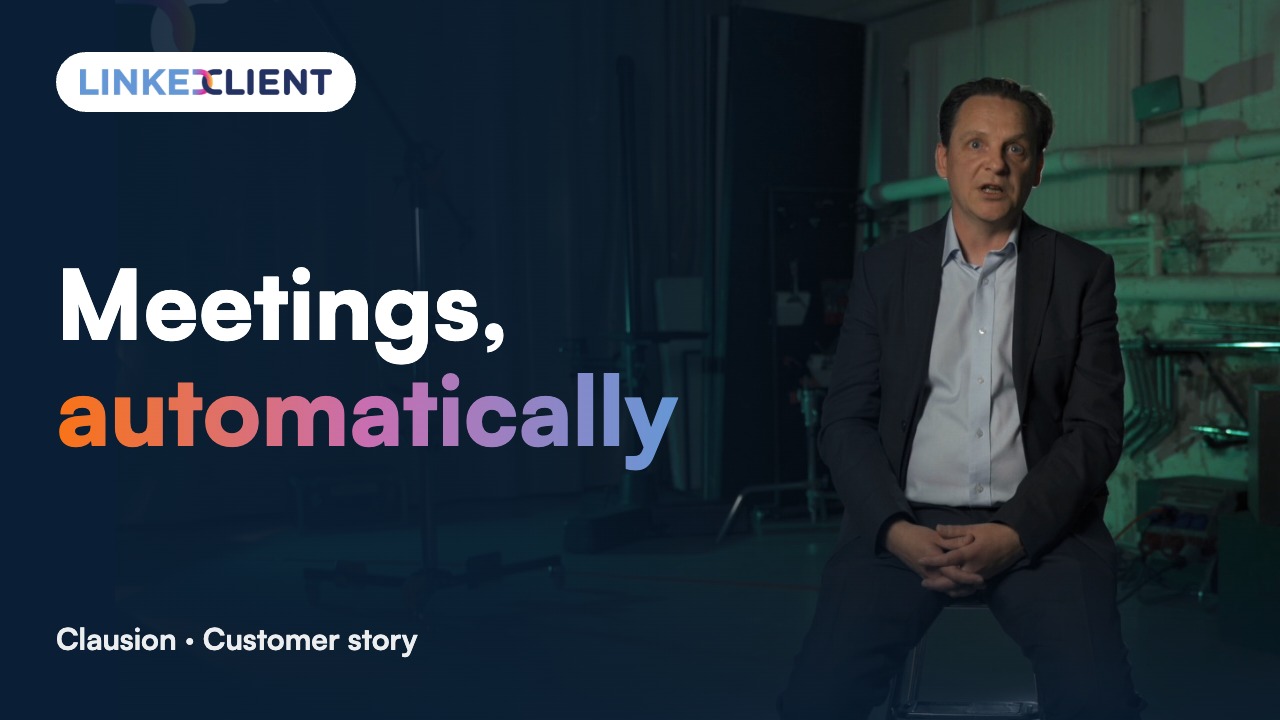
“We can pinpoint the people we want to contact and actually get meetings with them automatically.”
Keep reading
What is B2B growth hacking?
Running quick, low-cost experiments to find repeatable ways to win business customers, then scaling the ones that work.
Does growth hacking work for B2B?
Yes, when it means disciplined experiments with real channels, such as LinkedIn signals, content and partnerships, rather than tricks.
What are the best B2B growth hacks?
Following up profile visitors, founder content on LinkedIn, comparison pages, free templates, partnerships and re-engaging lost deals.
How is growth hacking different from marketing?
It focuses on fast experiments across the whole funnel, including product and sales, with each test judged by one clear metric.
How long should a growth experiment run?
Long enough to get a fair result, often a few weeks, depending on how much volume the channel produces.
What should startups growth hack first?
Their warmest signals: profile visitors, new connections, people engaging with posts and past leads.
What does a B2B growth hacker do?
Runs quick experiments across marketing, sales and product to find repeatable ways to win business customers, then scales what works.
How does LinkedClient help with growth hacking?
It automates LinkedIn growth tactics: profile visitor follow-up, welcome messages, likes and comments, company page invites and personal outreach that books meetings. Try it free for 14 days, then pay $79 for your first month.
Want your best growth tactics to run every day?
Start your free 14-day trial today and Elsie can start this week. If you keep going, your first month is just $79. Or book a 30-minute demo and we’ll show you who she would contact for your business.
14 days free · No card needed · $79 for your first month